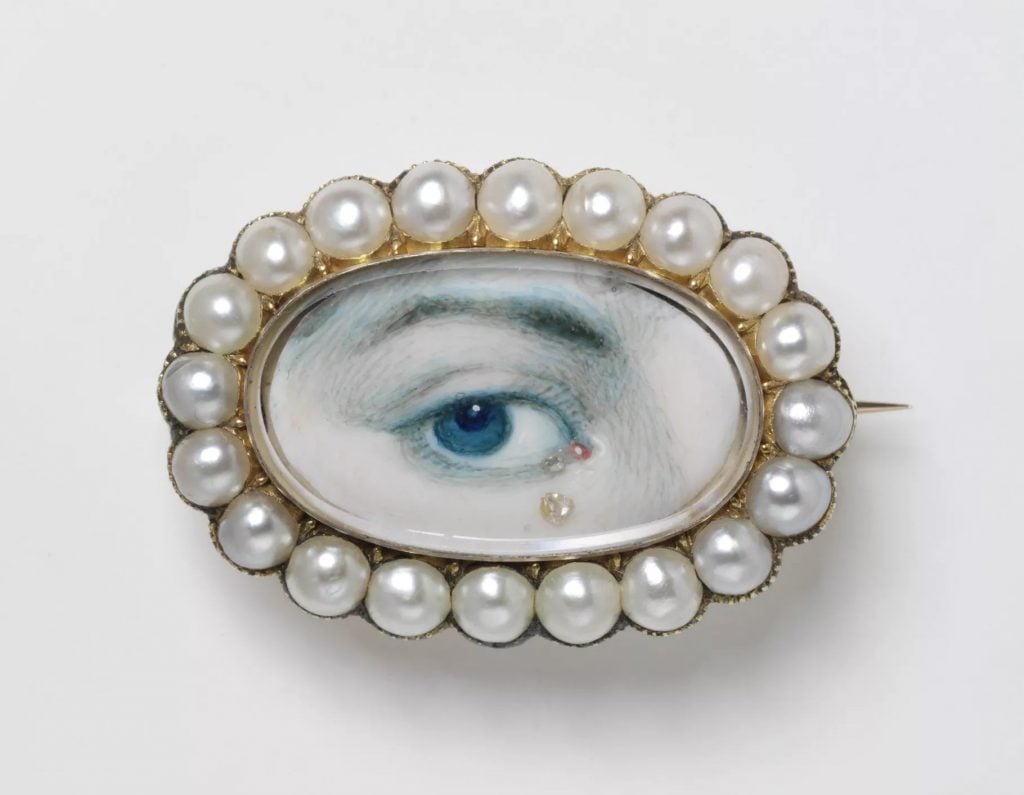
When photography was first introduced in the 1800s people couldn’t have imagined how it would develop over the next few centuries. If a small Victorian child saw how much we are being surveilled in our day-to-day lives, they would go into a coma. Early photography looked so different from anything we have today that it can be hard for us to wrap our minds around it. Before photography, there was almost no way for someone to see what someone else looked like before meeting them. Anyone could walk around London and be completely anonymous if they don’t encounter someone they know. They could go to a party with people they have never met, and this would be the first time they would ever see them.
Now it’s almost disgraceful not to stalk someone’s Instagram, Facebook, TikTok, etc. before meeting them. When you start dating someone, it is customary to show your friends their picture. In early photography, this is the joy that Victorian people were discovering. You could give your photograph to the person you are courting or to the person courting you. You could send your photograph to your friends and family who don’t live near you. This was all very exciting and something that we as a society now take for granted. This can be incredibly joyful for people who have relatives who are far away. In the days of early photography, it was a lot of effort to get your photograph taken, write a letter, and send both the letter and the photograph to someone. Now I can see a picture of my baby cousin everyday. My grandmother canFaceTime with her granddaughter and great-grandchildren every day as they grow up. This could never have happened in the Victorian era and is something that we often take for granted.
There is a dark side to photography, however. This comes in the form of surveillance, and this is something that we don’t think about enough in our society. Surveillance is all around us. It’s in the cameras at stores, it’s in the internet, it’s in speed cameras on highways, it’s on people’s Ring cameras on their front doors, and even in EZPass. There is no way to get from one place to another without being on camera, no matter how hard someone tries. This can be viewed in multiple ways; some might say that it’s good. That it doesn’t matter unless you’ve committed a crime, and therefore you deserve to be surveilled. For most people, being constantly surveilled doesn’t affect them; there is no reason to be aware of this fact since there isn’t anyone who is actually checking those cameras, and certainly not for you specifically.
It is a state of constant panopticism in which we are always being surveilled, but we don’t actually know if we are being surveilled or not. A panopticon is a prison system where there is a tower surrounded by cells in a circle. The prisoners in their cells can see the tower but can’t see inside the cells. This makes them behave since there is no way of knowing whether someone is watching them or not. This is how our society functions with our constant state of surveillance. Something that the Victorian people could never have imagined at the time of early photography.





 Victorian Visual Culture
